
Location Photoshoot photography
Outdoor photoshoots make the most of natural light and the unique character of each setting. Whether you’re booking headshots, portraits or family group photos, choosing a local park, lake, woodland, waterfall or other beautiful spot gives every image its own story and atmosphere.
Locations and how they shape your photos
Lakes: Smooth water creates reflective surfaces that add depth and calm to images. Reeds, boats or a pebbled shore provide natural foreground interest. Early-morning mist over a lake can produce dreamy, soft light; late-afternoon golden hour gives warm, flattering tones.
Woodland: Trees create dappled light, natural frames and layers. A canopy of leaves adds texture and a sense of intimacy, great for portraits or sibling/family interactions. During autumn the rich colours of leaves become a vibrant backdrop; in spring the fresh greens and flowering understorey feel lively and hopeful.
Waterfalls and streams: Moving water introduces motion and energy. The mist can create a soft, ethereal look while rocks and banks offer posing variety. Slower shutter speeds give silkier water trails; faster speeds freeze splashes for a dynamic feel.
Parks and gardens: Manicured lawns, flowerbeds, benches and architectural features (gazebos, fountains, archways) provide classic, versatile backdrops that work well for formal headshots and family groups alike.
Coastal and riverside spots: Wide horizons and open skies make these excellent for dramatic portraits and group photos with a sense of space. Wind-swept hair and textured skies add character.
Meadows and fields: Long grasses, wildflowers and wide vistas create a light, airy mood. Good for relaxed family sessions, engagement portraits and children’s play shots.
Headshots outdoors
Natural light produces skin tones that look soft and true-to-life without the flatness of studio flash. Directional light (from the side or slightly behind) sculpts the face, creating gentle modelling that flatters.
Backgrounds are subtly contextual: a tree-lined path suggests approachability; a stone wall conveys stability; a blurred lake can feel serene. Using shallow depth of field keeps attention on the subject while making backgrounds pleasantly creamy.
Outdoor headshots are versatile — corporate, creative and personal brands all benefit from a location chosen to reflect the subject’s character and profession.
Portraits outdoors
Environmental portraits place the person within a story. The setting becomes a supporting element: a musician with a rustic wall, an artist in a wildflower field, or a grandparent on a park bench.
Movement, candid moments and interaction with the surroundings (leaning on a bridge, walking along a shoreline) make portraits feel genuine and relatable.
Colour palettes from the environment — autumnal ambers, spring greens, winter silvers — inform clothing choices and mood.
Family group photos outdoors
Space allows for natural, relaxed composition. Children can move freely; multi-generational groups can be arranged with depth so faces are clear yet connected.
Candid interactions — walking hand-in-hand, games on the grass, a picnic scene — create authentic memories rather than only posed shots.
Natural props like logs, steps and rocks provide comfortable places to sit or perch, helping groups to relax and form pleasing lines and layers.
Benefits of outdoor shoots in each season
Spring: Fresh colours and blossoms give a lively, rejuvenated feel. Soft new foliage provides gentle, flattering light through leaves. Ideal for families and couples wanting a hopeful, vibrant look.
Summer: Strong greens, long daylight hours and clear skies. Ideal for early-evening golden-hour shoots and beach or lakeside sessions. Be mindful of harsh midday sun; use shaded spots or breezy locations to avoid squinting and unflattering shadows.
Autumn: Rich, warm colours and textured landscapes produce dramatic, cinematic images. Falling leaves create movement and atmosphere. Cooler temperatures often mean more comfortable shooting for everyone.
Winter: Bare branches, muted tones and frost or snow offer stark, minimalist elegance. Low sun creates long, soft shadows and a cinematic light quality. Winter scenes are distinctive and timeless.
Best times of day for outdoor light
Golden hour (shortly after sunrise and before sunset): The most universally flattering light. Warm, soft tones, long shadows and gentle contrast make skin look even and backgrounds glow. Best for headshots, portraits and romantic family groups.
Blue hour (just before sunrise and after sunset): Cooler, even light with a calm, cinematic feel. Works well for moody portraits, locations with water or when you want a twilight ambience.
Early morning: Fewer people, calmer water, less wind and often cleaner air; perfect for lakes, beaches and popular parks. Light is soft and fresh, similar to golden hour.
Late afternoon (an hour or two before sunset): Similar benefits to golden hour with more flexibility for for photos before the light drops too much.


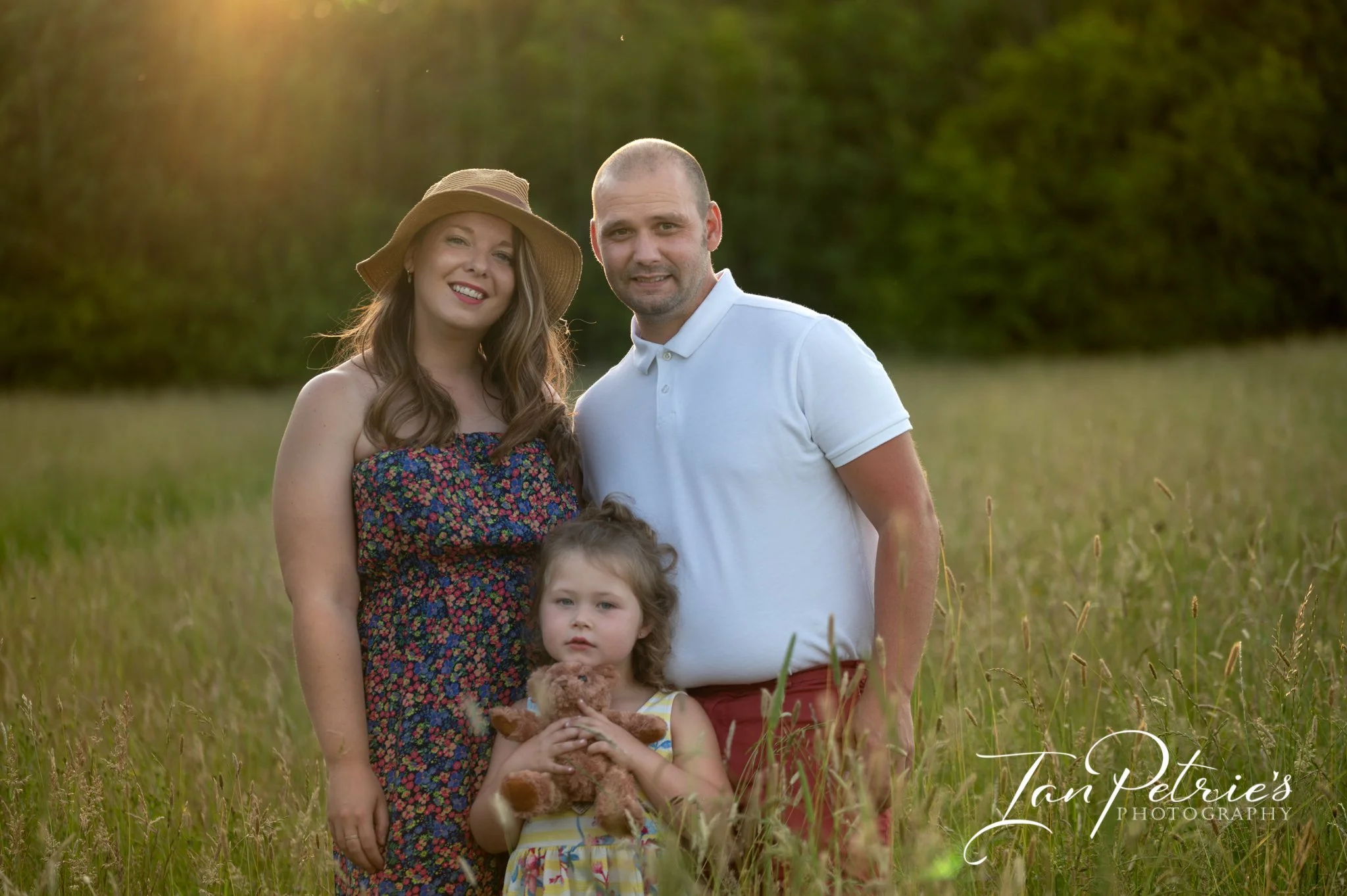


Our work speaks for itself
—
Our work speaks for itself —
Packages
Our portrait services are offered with a no-upfront-prices approach. What does that mean for you?
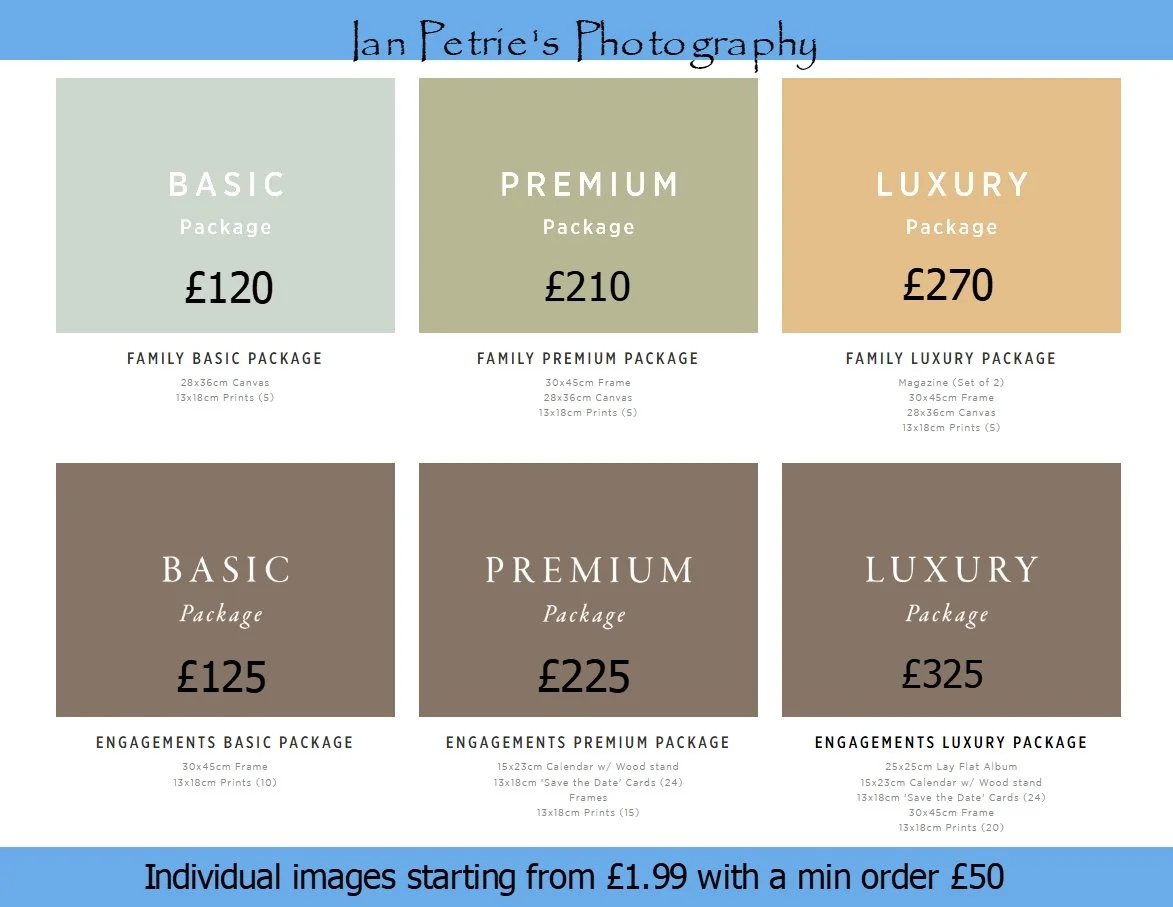
You only need to commit your time. We don’t ask for deposits for prints or packages because, with over 15 years’ experience, we’re confident you’ll love your images and choose what suits you. There is a minimum order value of £50, and most families choose to invest around £200 or more.
What’s included and how it works
Flexible session options: studio, on-location, or lifestyle at home.
Full professional shoot with experienced direction, where appropriate, to make everyone feel at ease.
Image viewing and ordering an appointment after the shoot can be arranged, so you can see finished images before you decide.
Choice of digital files, prints, wall art and bespoke albums — pick only what you want.
Simple pricing on products during your ordering appointment or from your online gallery; no pressure to buy anything.
Benefits for you
No commitment to spend before you’ve seen the photos.
Personalised ordering: buy only the images and products you love.
A clear minimum of £50 keeps things accessible while allowing you to create a meaningful collection.
Helpful guidance from us to build a package that fits your home and budget.
Typical investment
Minimum order: £50
Average family order: around £200+
Bespoke packages available for larger wall art, albums or multi-session collections.
Book a session. Reserve your preferred date and time. We’ll handle the rest — relaxed, professional photography and a hassle-free ordering experience that puts you in control of what you buy. See below some expample packages.
Bookings & Enquiries
We offer a complimentary consultation to discuss your wedding, event, or portrait photography needs. This can be arranged face to face, over the phone, or via a video call, whichever suits you best.
It’s an excellent opportunity for us to understand your vision, answer any questions, and explore how we can capture the essence of your special day. Please get in touch to schedule your preferred consultation method.
—
CONTACT
For press and media inquiries, contact me by email.
petriesphotography@gmail.com
07469 749 509